Coffee only, open just four days a week: “CABELO” in Chikatsuyu, a post town on the Kumano Kodo.
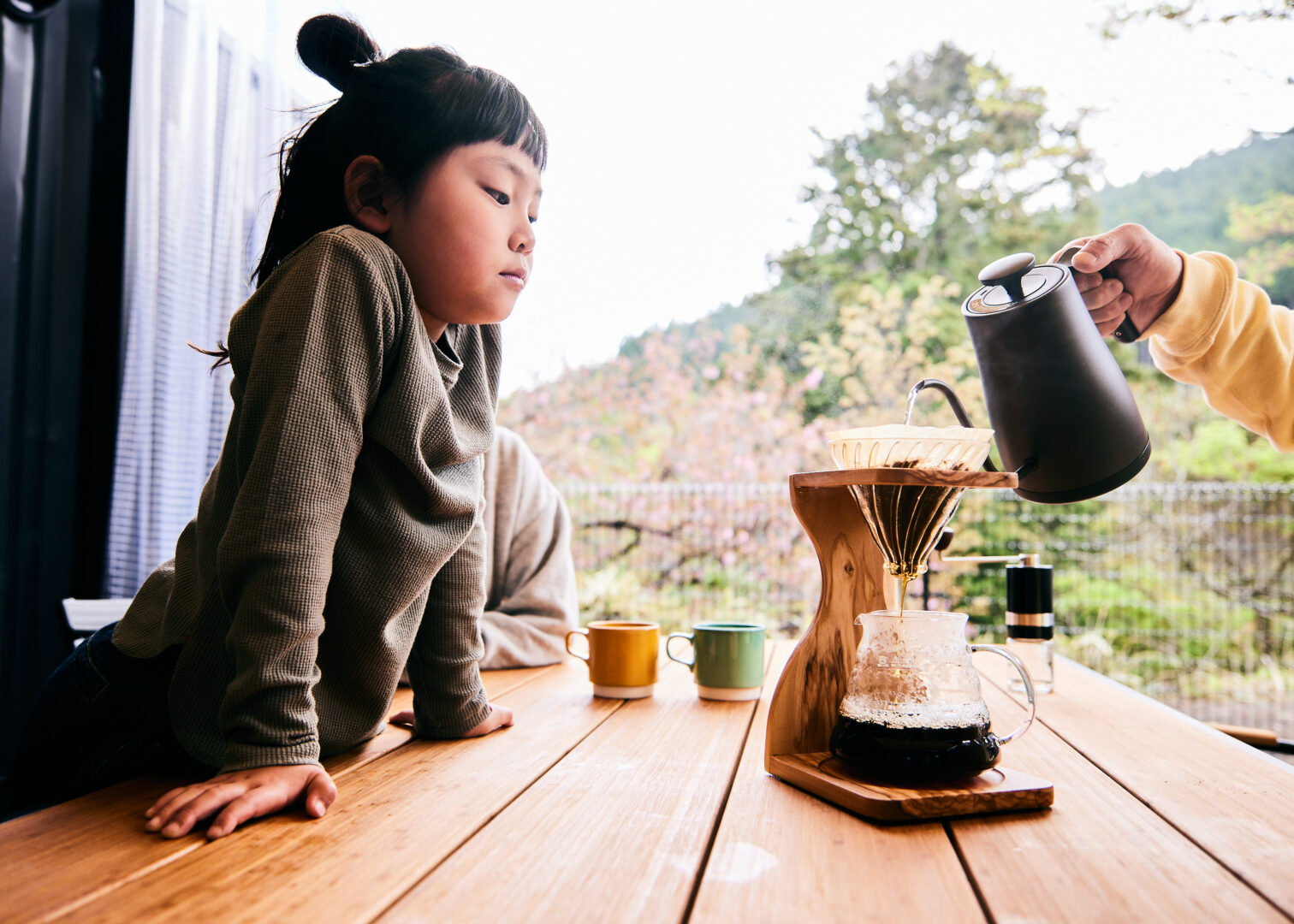
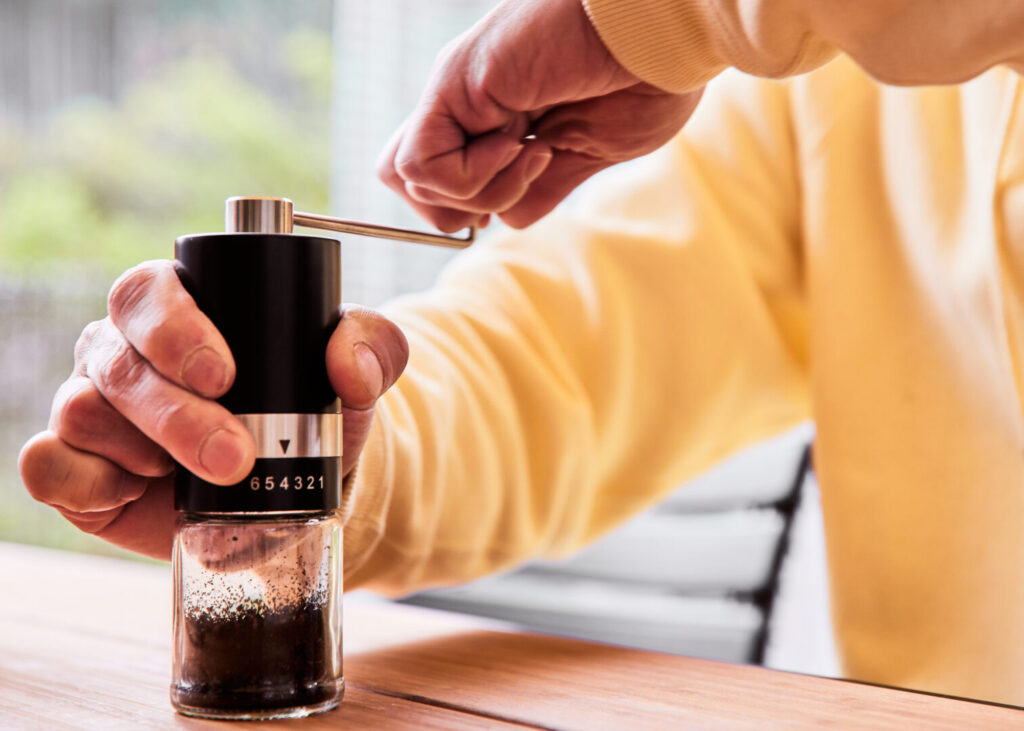
At SEN.RETREAT CHIKATSUYU, we provide coffee beans alongside the ingredients for breakfast.
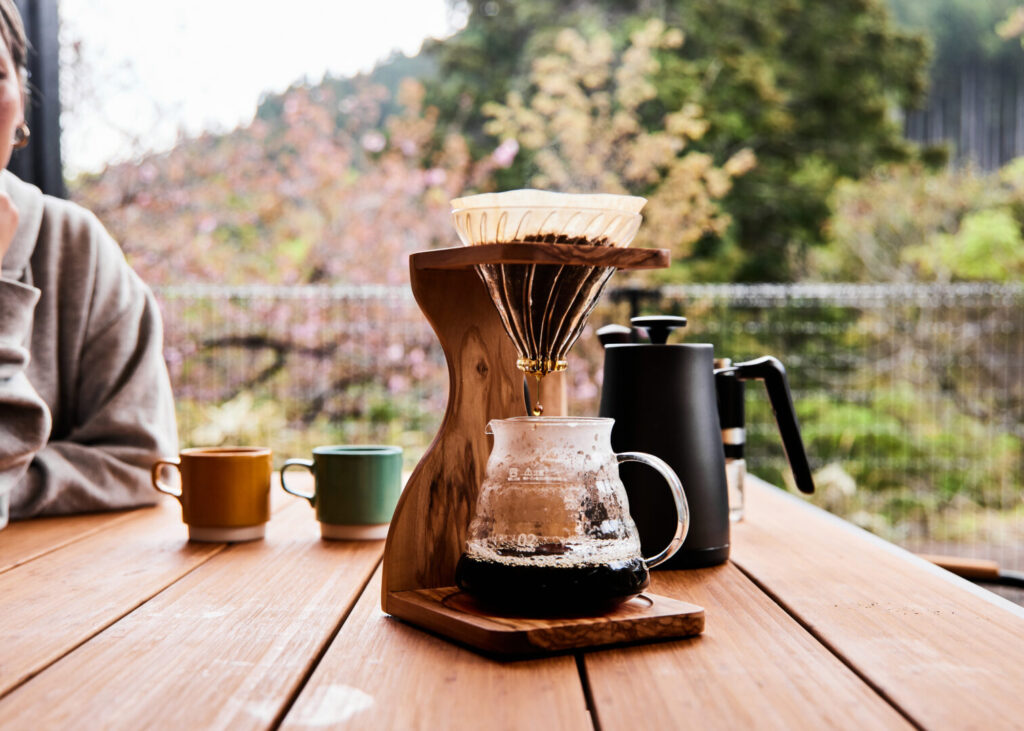
Grinding the beans yourself and brewing a fresh cup—especially while surrounded by the great outdoors—offers a unique flavor experience that differs from your usual routine.
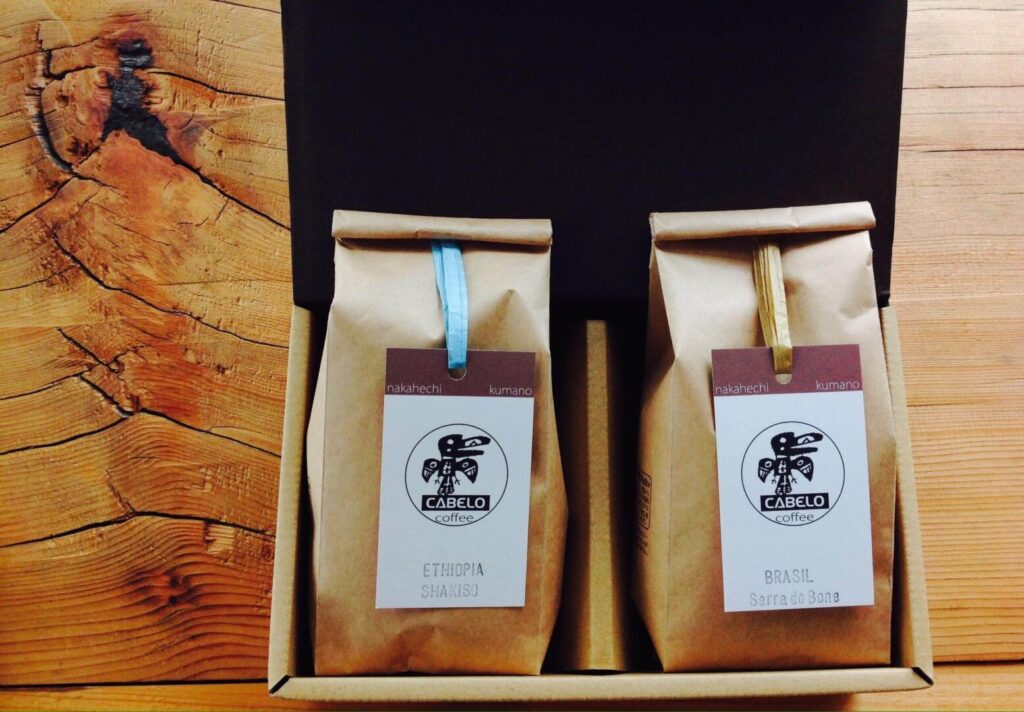
The beans are supplied by “CABELO,” a coffee shop located near the retreat.
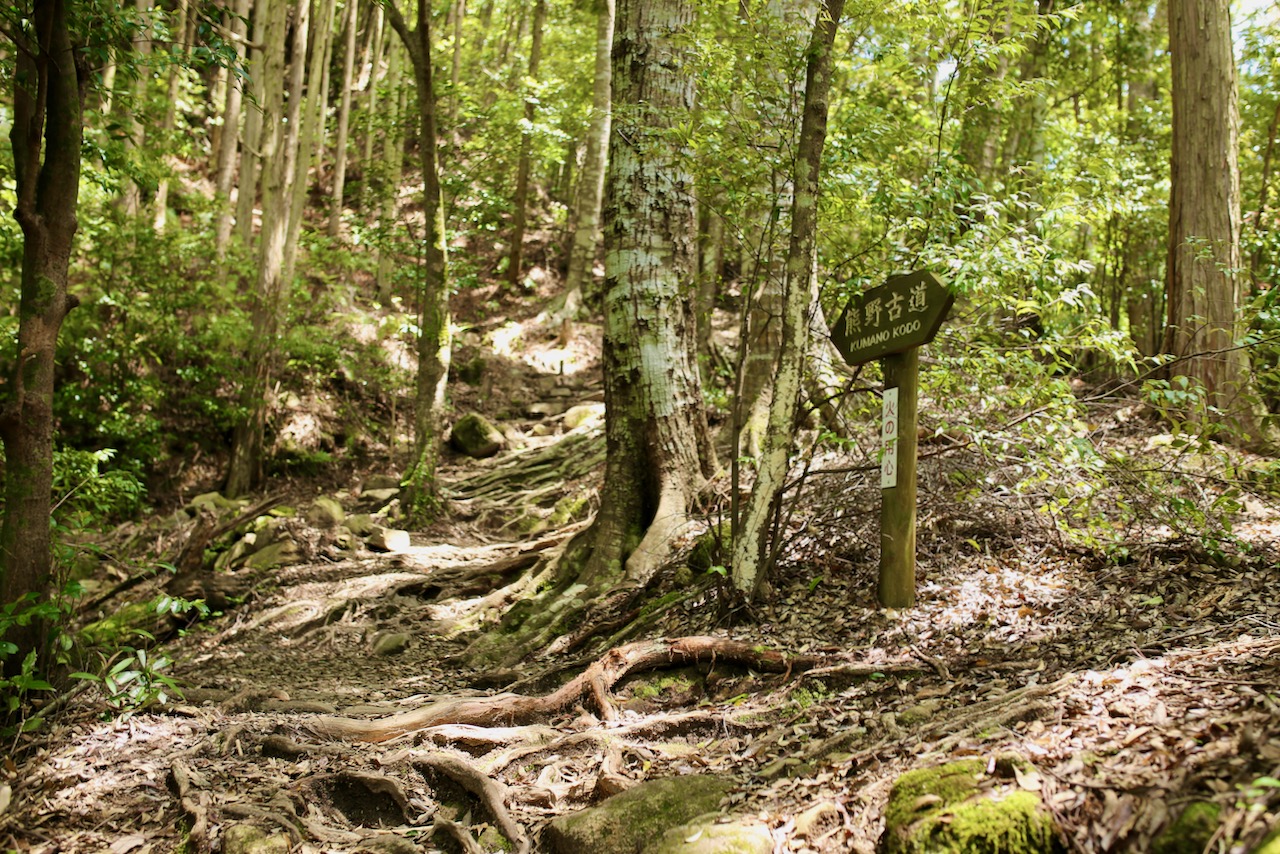
It is a specialty shop dedicated exclusively to coffee. Situated right along the Kumano Kodo trail, it attracts both trekking travelers and locals who stop by to enjoy a cup.
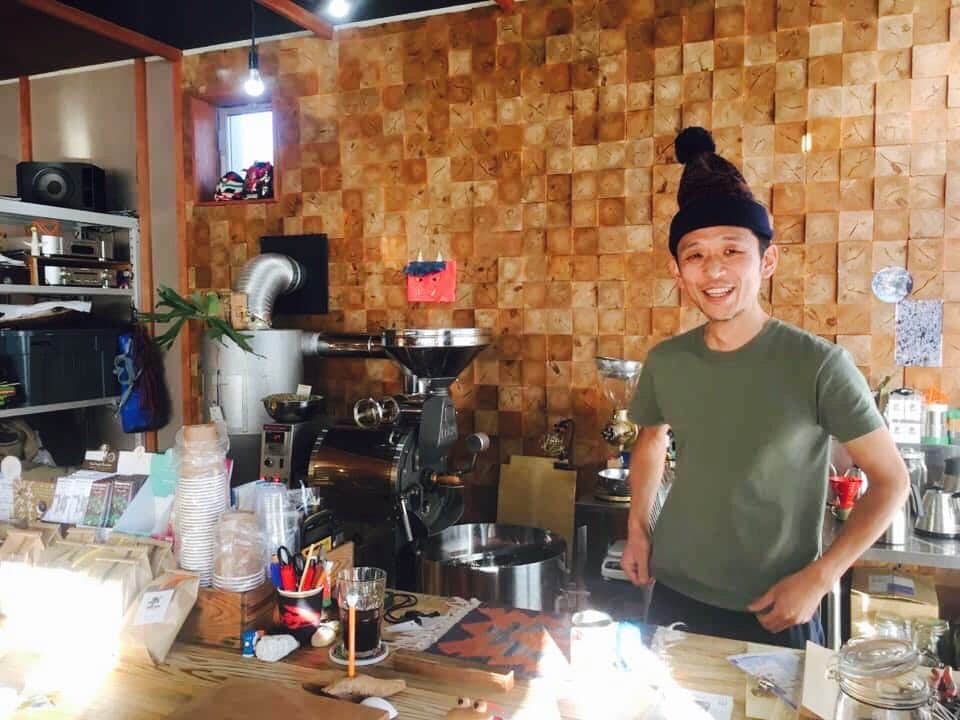
We spoke with the owner, Kazunori Tatsumi, about his passion for coffee, his commitment to the craft, and his reasons for moving to Chikatsuyu to open the shop.
Peru, Ethiopia, Indonesia… beans from around the world that vary based on the season and availability.
The coffee beans served at SEN.RETREAT CHIKATSUYU do not come from a fixed region; instead, the selection changes depending on the season and availability.
“We don’t stick to specific brands, so the origins and bean varieties vary from time to time. Right now, we’re using a lot of beans from Peru, Ethiopia, Indonesia, and Honduras.”
When asked for tips on how guests can brew the coffee themselves, the response was, “I don’t want to say there is only one ‘correct’ way to brew it.”
“I believe that as long as the ratios of coffee grounds to water suit your personal preference, the brewing method doesn’t really matter. I dislike being pushy about it. That said, if a guest asks me directly, I do suggest measuring the amounts—it yields more consistent results than eyeballing it.”
It tastes best two weeks after roasting.
The flavor of coffee beans changes depending on how much time has passed since roasting.
“Some people prefer coffee right after it’s been roasted, but I like it best around the two-week mark. You know how things like pickled plums or miso taste salty when first prepared but mellow out over time? I feel like coffee also settles down and becomes smoother after about two weeks.”
However, the beans begin to deteriorate after a month and a half, so the recommended shelf life is about one month.
When roasting, the priority is ensuring the uniformity of the beans.
“Just as foreign matter mixed in with rice can result in unevenly cooked grains, the roasting process shares some similarities. I make a conscious effort to carefully finish the roast while closely observing the condition of the beans.”
Tatsumi often likens coffee beans to rice and other agricultural crops. For someone who grows enough vegetables and rice to sustain a family of four, he sees parallels between handling coffee beans and the work of farming.
“Green coffee beans contain about 12 percent moisture, while brown rice has around 15 percent. I feel that the way they need to be stored is quite similar to rice.”
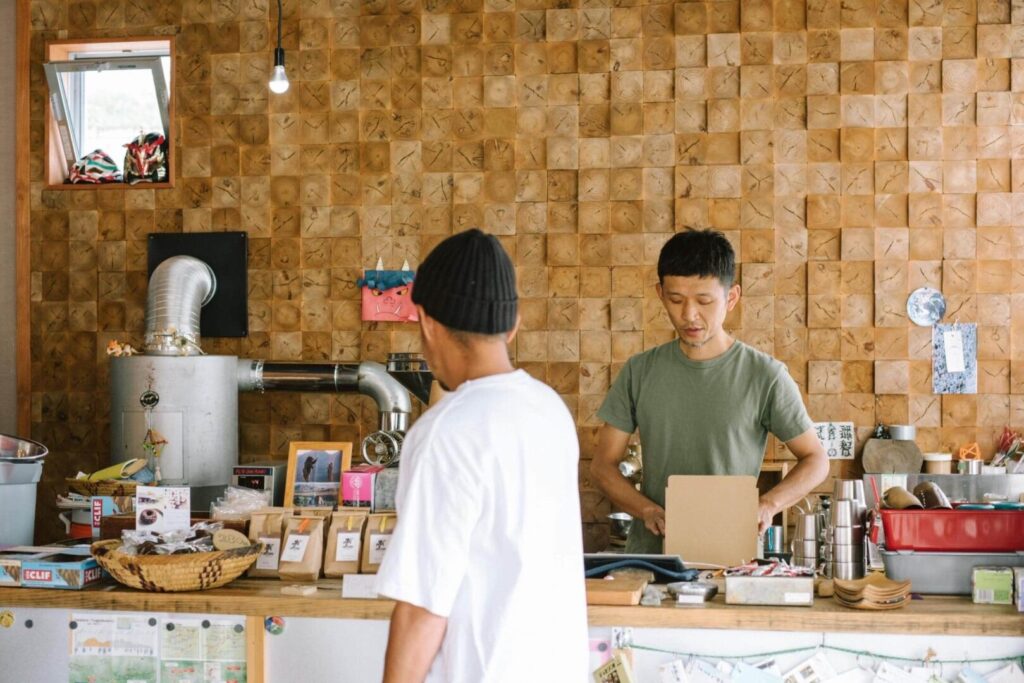
Just coffee, all by myself.
CABELO used to offer a light food menu, but now they serve only coffee.
Wholesale business—supplying accommodations like SEN.RETREAT and various eateries—reportedly accounts for about half of their sales.
“If the business gets too busy, I wouldn’t be able to do the farm work. I try to strike a balance—not too quiet, but not too hectic, either. Rather than juggling too many things, it suits me better to operate within a scope I can manage on my own.”
“I prefer a shop that specializes in soba over one that serves soba, udon, and curry all at once. You get the feeling that a specialty shop is truly dedicated to its craft, don’t you? That’s how I feel as a consumer, so I want to embody that same approach myself.”
He is sometimes asked by foreign tourists if he serves matcha—which is currently enjoying a boom overseas. “I feel a bit apologetic, but there’s really nothing I can do about it,” Mr. Tatsumi says with a gentle smile.
There have even been instances where a guest who stayed at SEN.RETREAT visited CABELO and subsequently decided to serve CABELO’s coffee at their own restaurant.
I chose coffee because I wanted either coffee or beer—whichever I preferred.
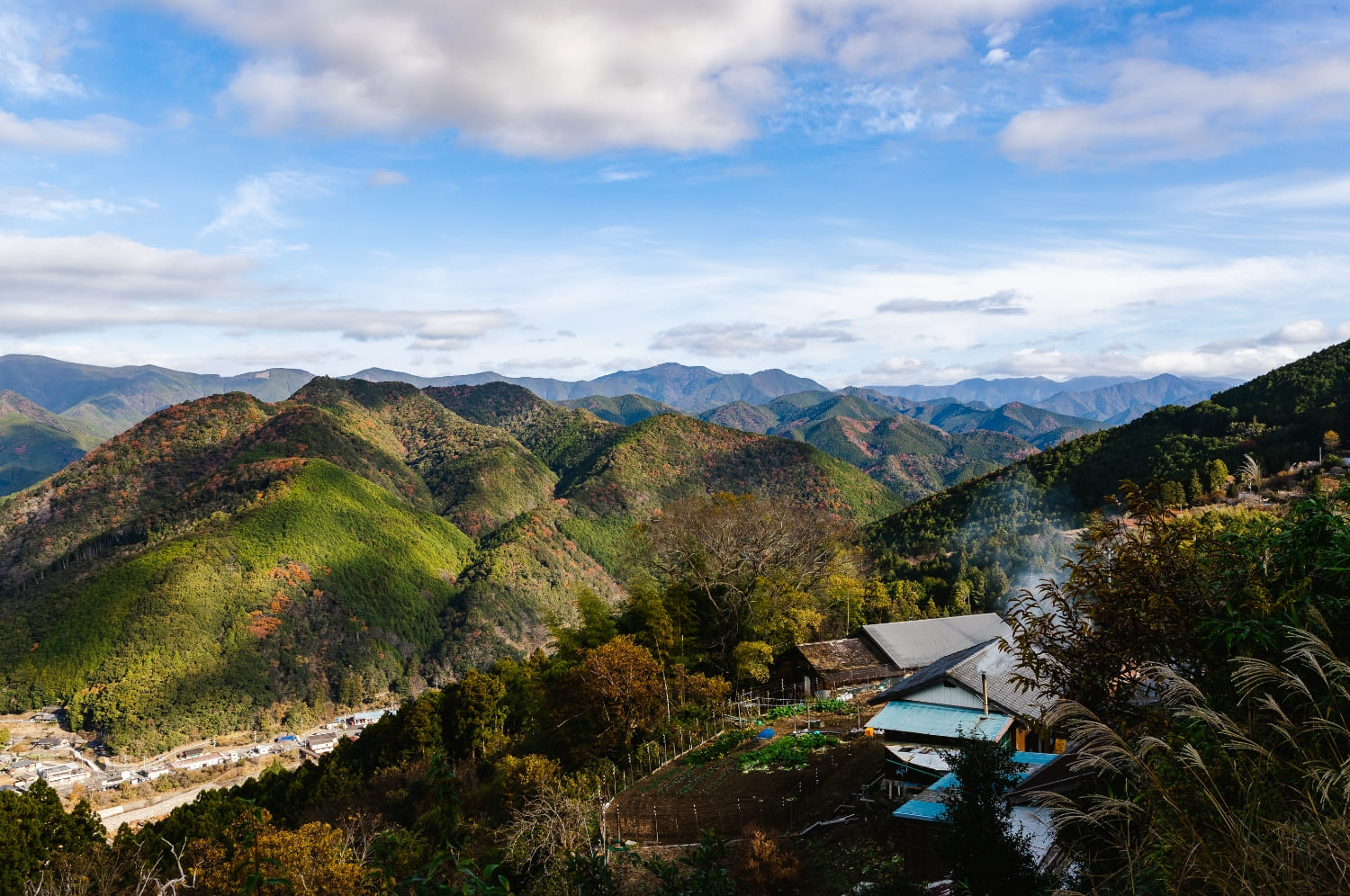
It was about twenty years ago that Mr. Tatsumi moved from Osaka to Chikatsuyu.
At the time, the Kumano Kodo pilgrimage routes had just been designated a World Heritage Site. While the Shirahama area was bustling with tourists, places like Chikatsuyu—and the Kumano Kodo region in general—saw very few visitors.
“Honestly, I think I would have enjoyed living anywhere. But after settling in Chikatsuyu, I found so many kind people here; it’s a truly comfortable place to live.”
From the moment he moved there, Mr. Tatsumi held a particular vision in mind.
“I wanted to live in the countryside, run my own business, and create my own work and food. As long as I could somehow make a living there, the specific job didn’t matter.”
The reason I chose coffee was simple.
“I love coffee and beer, so I figured it would be one of the two. Beer requires a significant investment in equipment, whereas coffee seemed like a better fit for me in terms of scale.”
Control low-altitude flight.
Next door to the shop is a hair salon run by Mr. Tatsumi’s wife. Both of them have long maintained a lifestyle where they work only four days a week, enjoying three days off.
“Having three days off allows us to reset every week. People might think you’d get lazy or lose your edge if you take too much time off, but it creates just the right amount of free time—it’s the perfect balance.”
When asked about future prospects, the reply was, “Managing to keep things moving steadily at a low altitude.”
“I believe that if you stick with any job long enough, you eventually gain new insights. So, I hope to keep at it diligently and reach a point where I feel I’ve improved or that things are really coming together. I’m not particularly driven to make a fortune or expand the business; I think the best approach—and the one most true to myself—is simply to keep going without disrupting my own rhythm or style.”
Tatsumi also spoke of his drive to constantly improve his skills and deepen his knowledge—describing the sensation of the speed at which the coffee drips and the feel of the beans gradually becoming second nature to his hands.
Seeing Tatsumi living freely, unbound by convention, might spark a sudden realization or a moment of fresh insight for travelers accustomed to city life. If you are intrigued, do stop by CABELO and savor a truly exceptional cup of coffee.
CABELO Store Information
Address: 909-6 Chikatsuyu, Nakahechi-cho, Tanabe City, Wakayama Prefecture
Other Articles