Kishu Waka Beef — premium Japanese Black wagyu raised in Wakayama
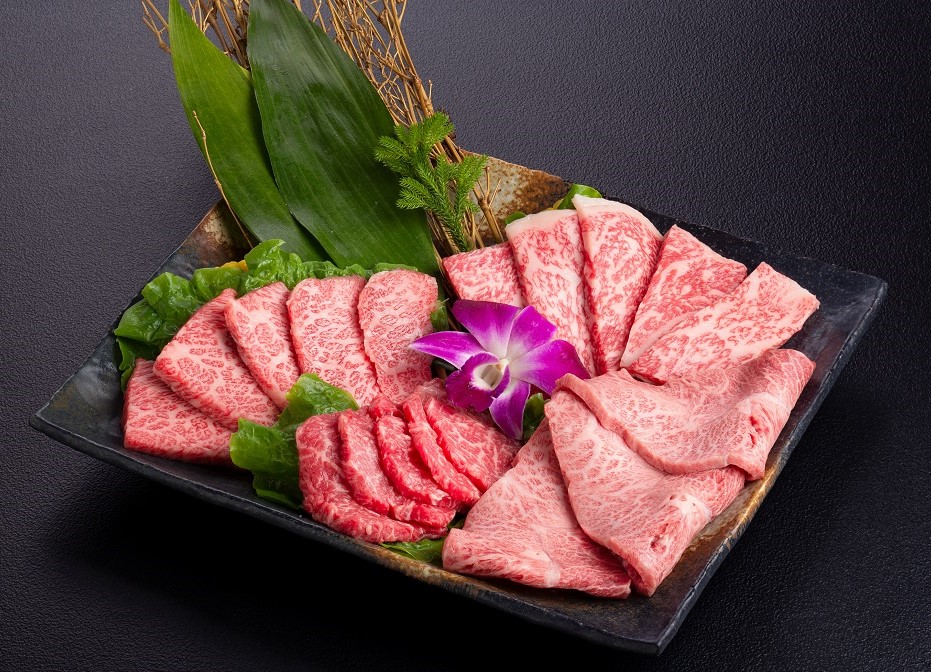
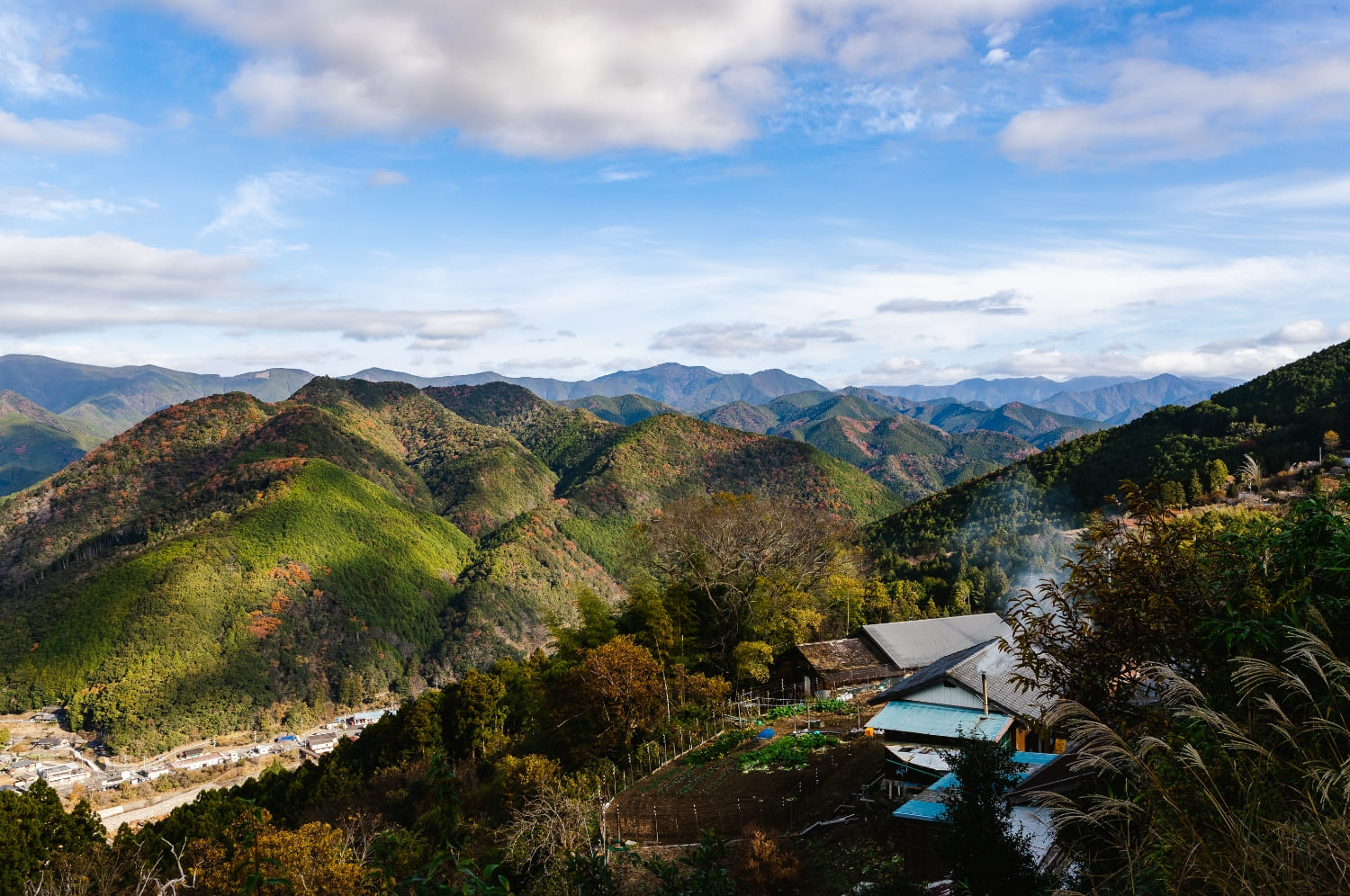
On the summit of a mountain in Yuasa, Wakayama Prefecture, there’s a cowshed you’d never expect to find in such a remote place. Here they raise Kishu Waka Beef, a top-tier Japanese Black wagyu brand that Japan is proud of. The beef received a Special Award in the 2020 “Premium Wakayama” program, which honors outstanding products from the prefecture.
When you hear “Kuroge Wagyu,” you probably think of richly marbled meat—the kind of melt-in-your-mouth slices you get at yakiniku restaurants. Kishu Waka Beef, however, is Japanese Black wagyu that lets you enjoy leaner, healthier red meat with less fat, a style that has become very popular in recent years.
Eco Management Co., the company that raises Kishu Waka Beef, actually has its main business in waste management. In fact, there’s a deep connection between waste treatment and cattle raising. We spoke with Sohei Sakaguchi, the company’s president and a director of the Kishu Waka Beef Council, about the secret behind Kishu Waka Beef’s delicious, low-fat lean meat.
Japanese Black wagyu raised in Wakayama Prefecture
Kishu Waka Beef is defined as beef that meets all of the following three criteria:
- The carcass must come from Japanese Black cattle—steers or heifers aged 24 months or older—owned by members of the Council and raised using the rearing methods designated by the Council. The cattle must also have been raised for the longest portion of their life in Wakayama Prefecture.
- The cattle must have been fed feed that includes ingredients produced in Wakayama Prefecture.
- The carcass must receive a grade of A2, A3, A4, or B2, B3, B4 from the Japan Meat Grading Association.
(Quoted from the official Kishu Waka Beef website.)
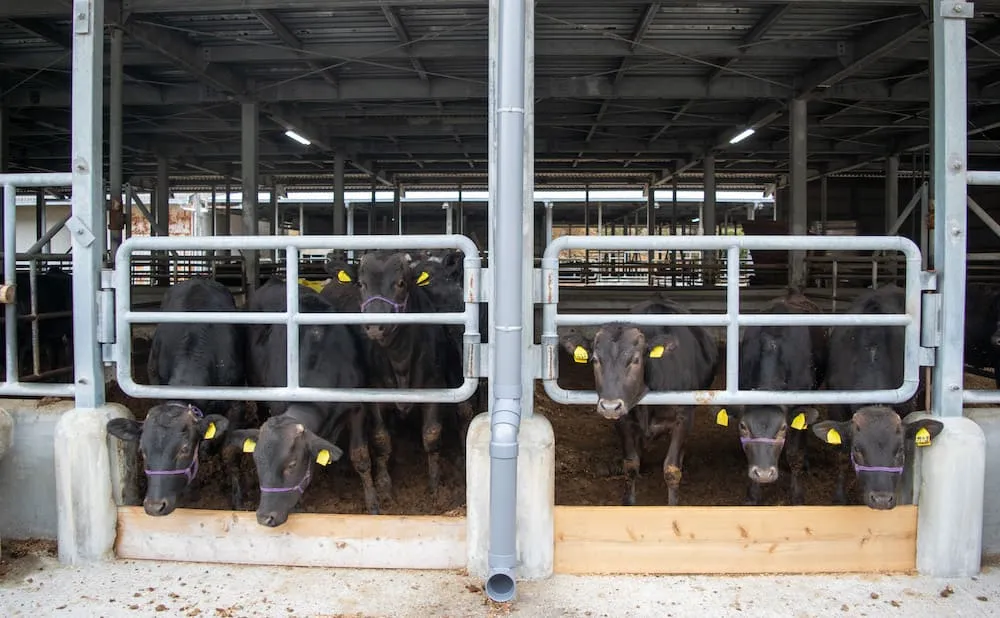
Currently, Kishu Waka Beef is produced only in the towns of Yuasa and Gobo, with a total herd of around 300 cattle.
The farm in Yuasa also handles breeding, and many calves are born there. These cattle are quite literally Wagyu that are “born and raised in Wakayama.”
The herd wasn’t large from the beginning: cows typically give birth only once a year, so the number of cattle has increased gradually over time. In addition, it takes more than 24 months before a cow is ready for shipment, meaning they must be raised with patience and care.
According to Mr. Sohei Sakaguchi, president of Eco Management Co. and a director of the Kishu Waka Beef Council, their goal is to establish a system capable of shipping 100 head per year. In other words, Kishu Waka Beef is extremely rare—only about 100 head reach the market annually.
Raised on feed that contains at least 10% by-products produced within the prefecture
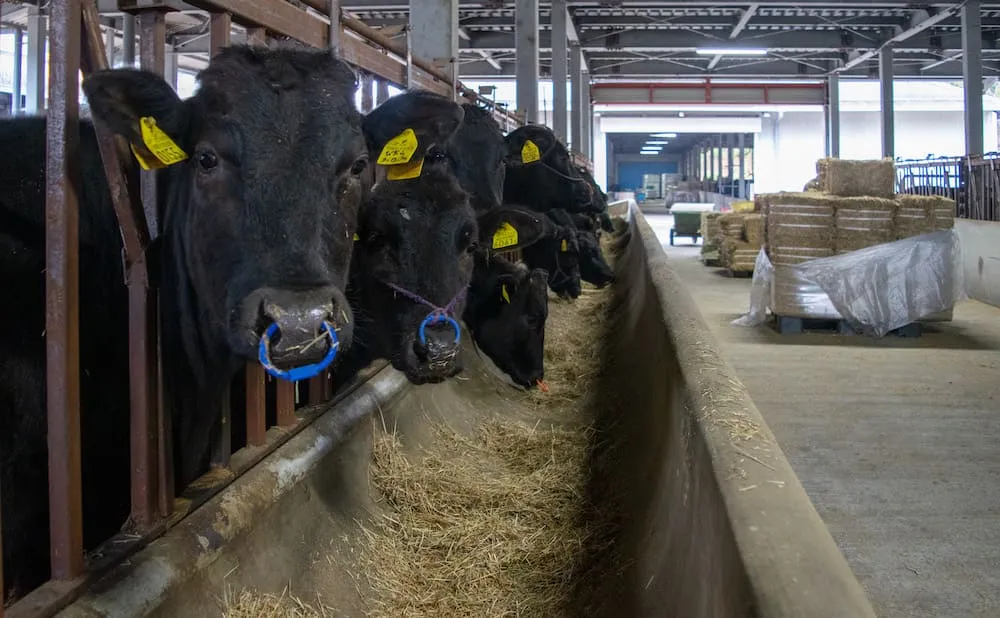
Another characteristic unique to Wakayama is the use of feed that contains ingredients produced within the prefecture. More than 70% of the cattle’s diet consists of “eco-feed”—a feed made by fermenting and drying by-products from local specialties such as mandarin orange juice and Yuasa soy sauce.
Typically, highly marbled meat is prized in Japanese Black Wagyu. However, Kishu Waka Beef aims for leaner red meat with less marbling. Eco-feed is rich in vitamins and protein, which helps naturally reduce intramuscular fat.
According to the Kishu Waka Beef brochure, feeding eco-feed results in:
An average 10% reduction in intramuscular fat in the loin compared with standard marbled Wagyu
An average 1.7-fold increase in vitamin E content
Because the meat is less fatty, it feels lighter and easier to enjoy—some people even say they can “eat as much as they want.” Vitamin E is known for its antioxidant properties and potential anti-ageing and anti-cancer benefits, making Kishu Waka Beef popular among women and older consumers as well.
The cattle are raised without limiting their vitamin intake.
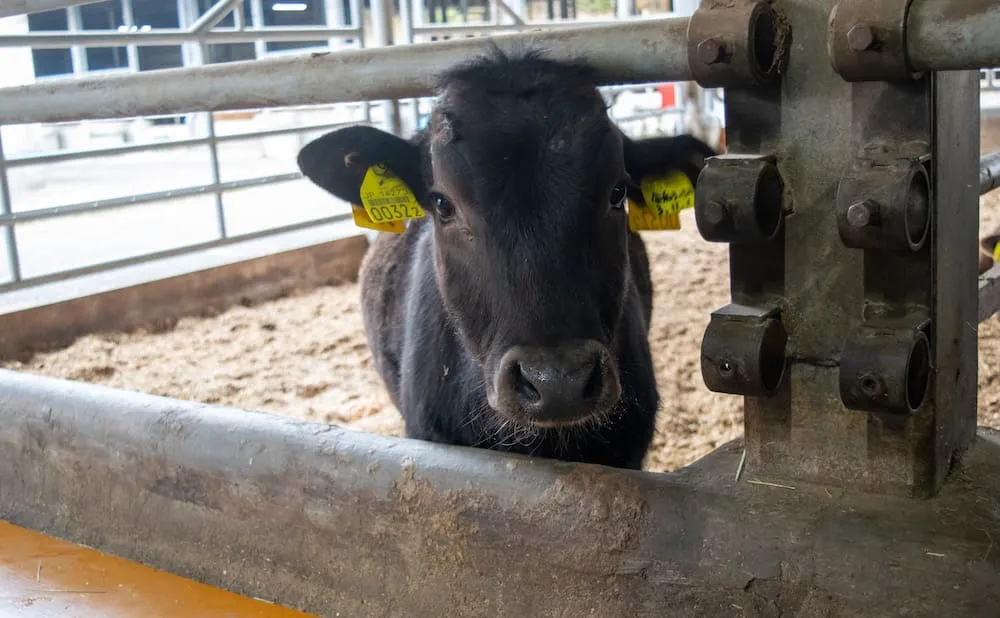
Normally, in order to produce highly marbled beef, farmers restrict the vitamins given to cattle so that fat accumulates more easily in the body. Kishu Waka Beef, however, is raised without such vitamin restrictions. Instead, the cattle are given plenty of “eco-feed”—a feed rich in vitamins and polyphenols—to keep them healthy.
In recent years, the concept of “animal welfare,” which emphasizes respecting animals’ dignity and raising them in environments with as little stress as possible, has been talked about more and more in Japan. Kishu Waka Beef, raised without restricting vitamins and with all the nutrients the cattle need, can truly be said to embody the principles of animal welfare.
The origins of eco-feed lie in the utilization of large amounts of food waste.
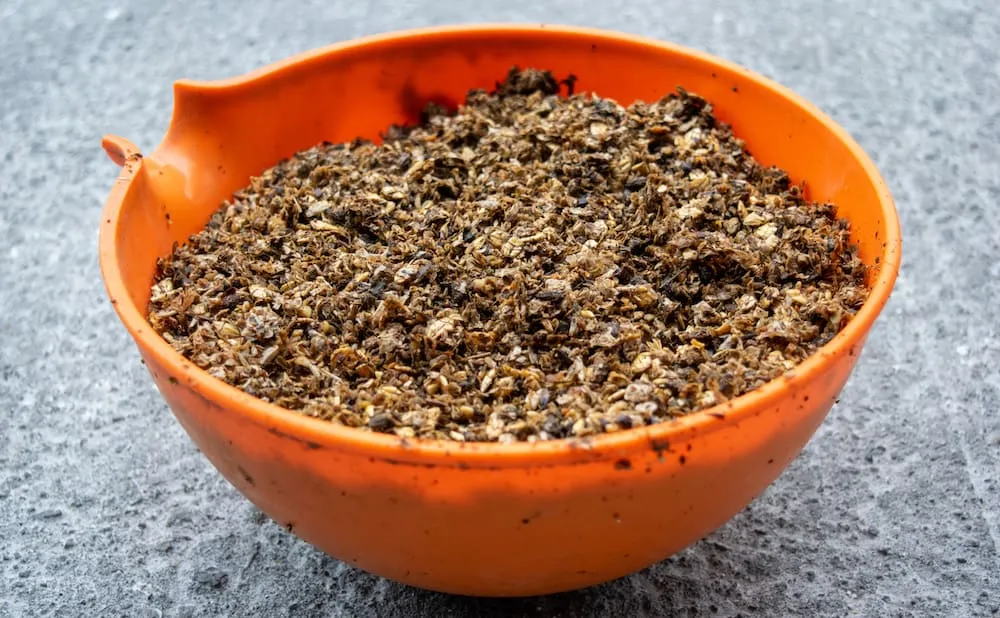
Eco-feed is the most essential element in raising Kishu Waka Beef. Its creation has a unique origin story rooted in Eco Management, whose main business is waste treatment.
A food factory operated by a major supermarket—one of Eco Management’s clients—had long been discarding several tons of okara (soybean pulp) every day. However, when the final disposal facility informed them that it could no longer accept the waste, the company suddenly faced a serious problem.
To find a solution, they explored a method called silage, in which raw materials are sealed and fermented with lactic acid bacteria to increase their shelf life. They learned that this method could turn food by-products into livestock feed.
Using the same technique, they began fermenting not only okara but also mandarin orange peels, soy sauce lees and tea residues, marking the start of their full-scale feed production. At first, however, when they told partner companies that they wanted to begin collecting food residues for this purpose, the materials delivered often contained trash mixed in. Employees had to remove it all by hand and repeatedly ask the suppliers to keep foreign objects out.
Eco Management’s eco-feed is also sun-dried, which avoids the use of heat and makes it an environmentally friendly product—eco-friendly in every sense of the word.
The official definition of “eco-feed” is as follows:
“Eco-feed (ecofeed)” is a coined term combining “eco”—meaning ecological or economical—and “feed,” referring to livestock feed.
(Japan Scientific Feed Association)
Of course, this does not mean that waste food can be fed indiscriminately. Only by-products that meet certain standards—such as the utilization rate of recyclable food resources and verified nutritional composition—are certified as eco-feed.
At the request of the prefectural government, Eco Management established an eco-feed demonstration farm and conducted repeated trials to examine the relationship between the feed they produced and cattle performance.
According to Mr. Sakaguchi, “It took us ten years before we could finally produce something truly good.”
Mr. Sakaguchi’s Belief: “The Environment Can Change the World”

Mr. Sakaguchi spoke passionately about the environment and building a circular society.
“Ever since I was young, I’ve always been driven by the idea of creating a recycling-oriented system,” he said. “Food processing inevitably produces residues and waste, but instead of throwing them away, we find new uses for them. And the cattle raised on these recycled resources are eventually enjoyed by people. That is what a true circular society looks like—nothing is wasted, everything is reused.”
“In the past, the image of the waste management industry wasn’t very good,” he continued. “But I believed that environmental action would one day change the world, so I wanted to build a company we could be proud of. I thought that if we could create a genuine recycling-oriented model, society would eventually recognize its value—so we worked desperately to make it happen.”
When the author remarked, “Now that SDGs are widely discussed, it feels like the times have finally caught up with you,” he laughed with delight and replied, “Exactly!”
Message to Readers
“In the waste management business, there weren’t many chances to make people happy or move them emotionally. But after starting Kishu Waka Beef, more and more people have told us, ‘What you’re doing is fascinating,’ or ‘This meat is incredible.’ Hearing that makes me truly happy.
This beef carries our passion and commitment. I hope you’ll try it at least once. It’s lean, yet amazingly juicy—delicious whether grilled, served as steak, or enjoyed as shabu-shabu.”
Kishu Waka Beef is made possible by eco-feed created through Eco Management’s expertise in waste recycling, and by cattle raised with great care.
We hope you’ll savor this uniquely Wakayama-born delicacy.
Interview and text by Shiori Koyama
Other Articles