Hinata no Mori serves game meat with no gamey smell and helps address wildlife damage.
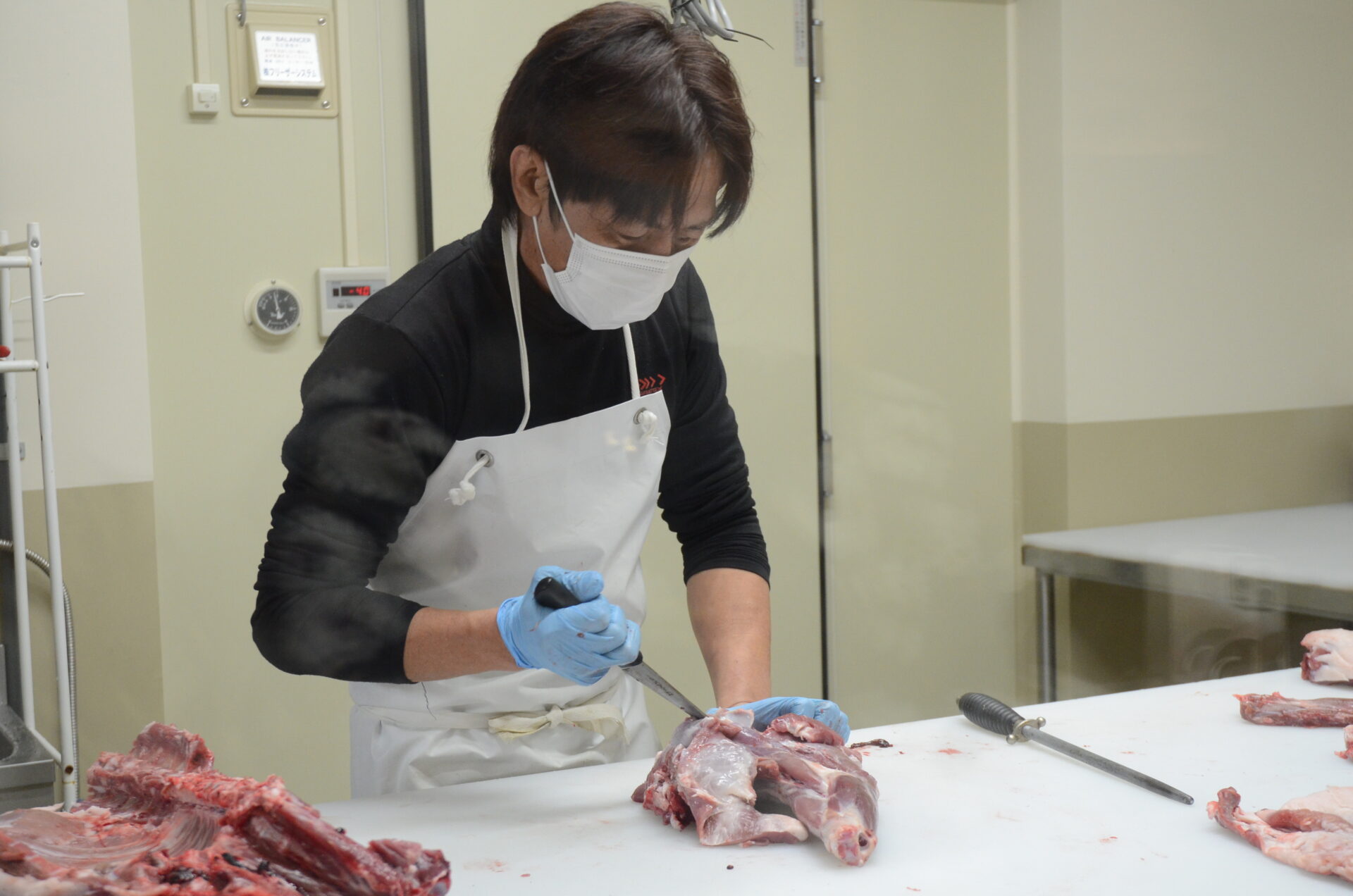
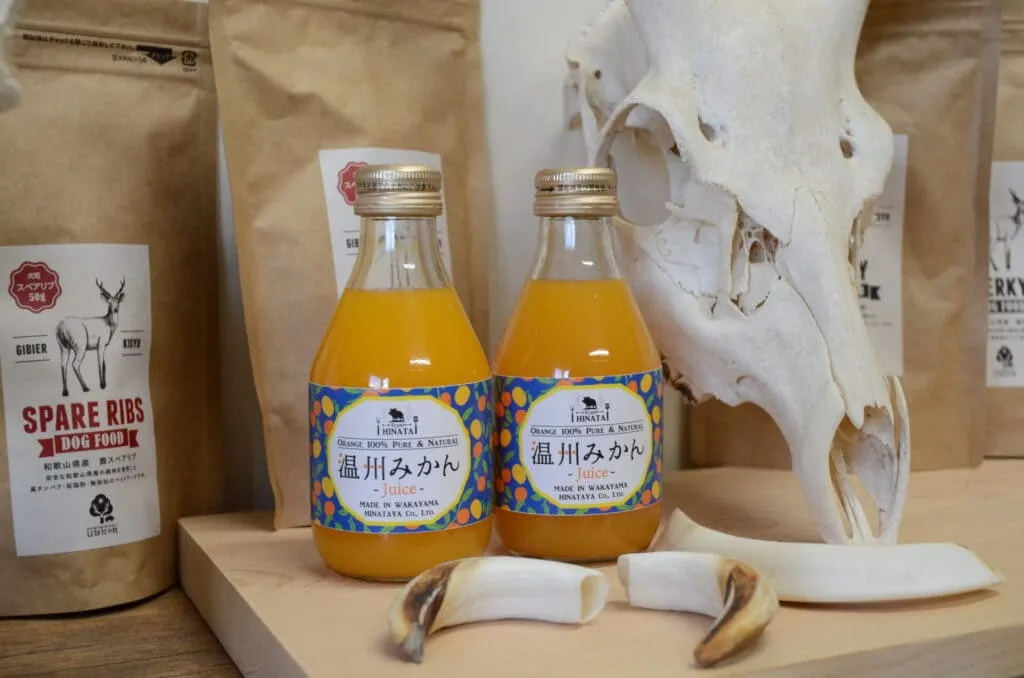
Hinataya Co., Ltd. (based in **Kamihaya, Tanabe City) — a company founded by local farmers to tackle wildlife damage — supplies game meat to SEN.RETREAT.
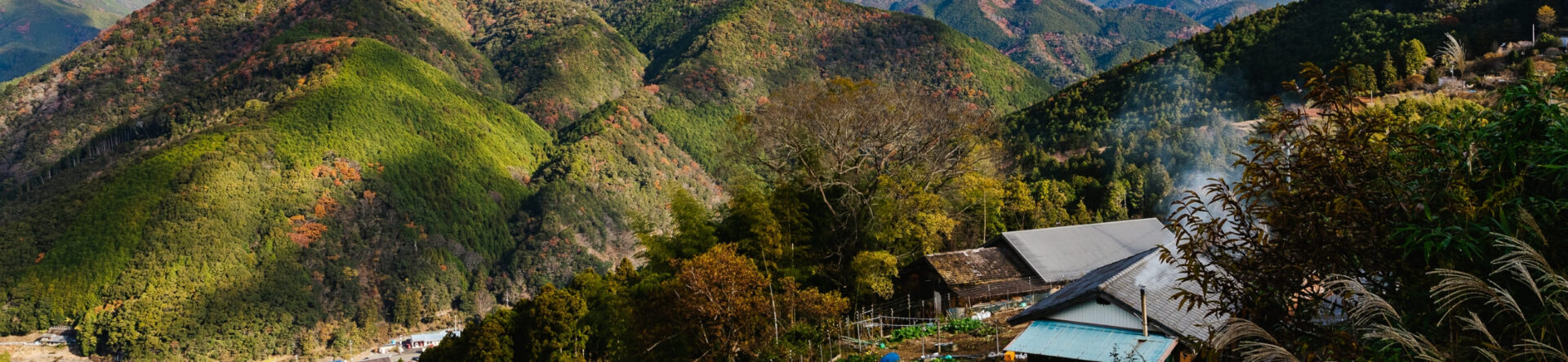
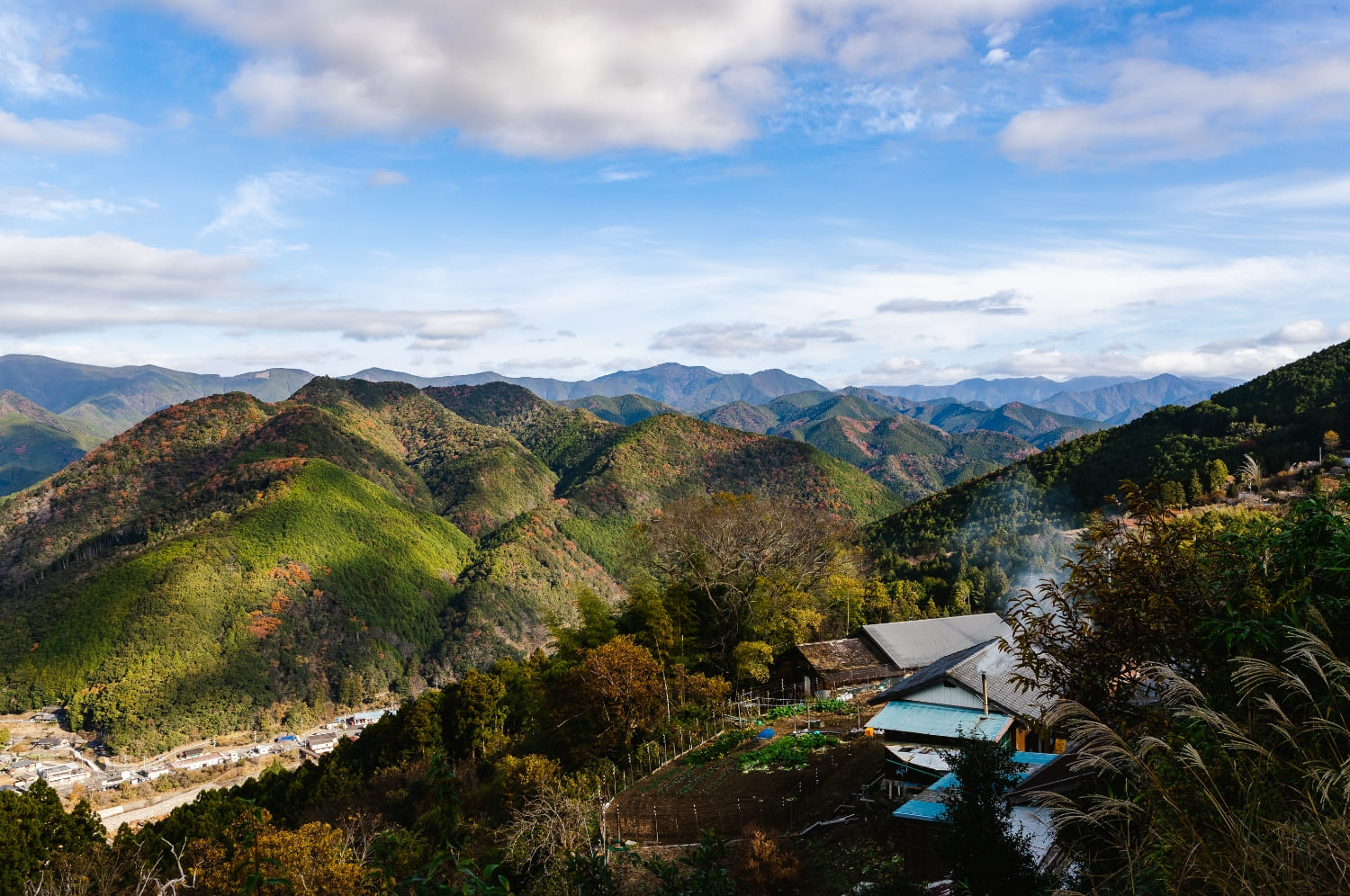
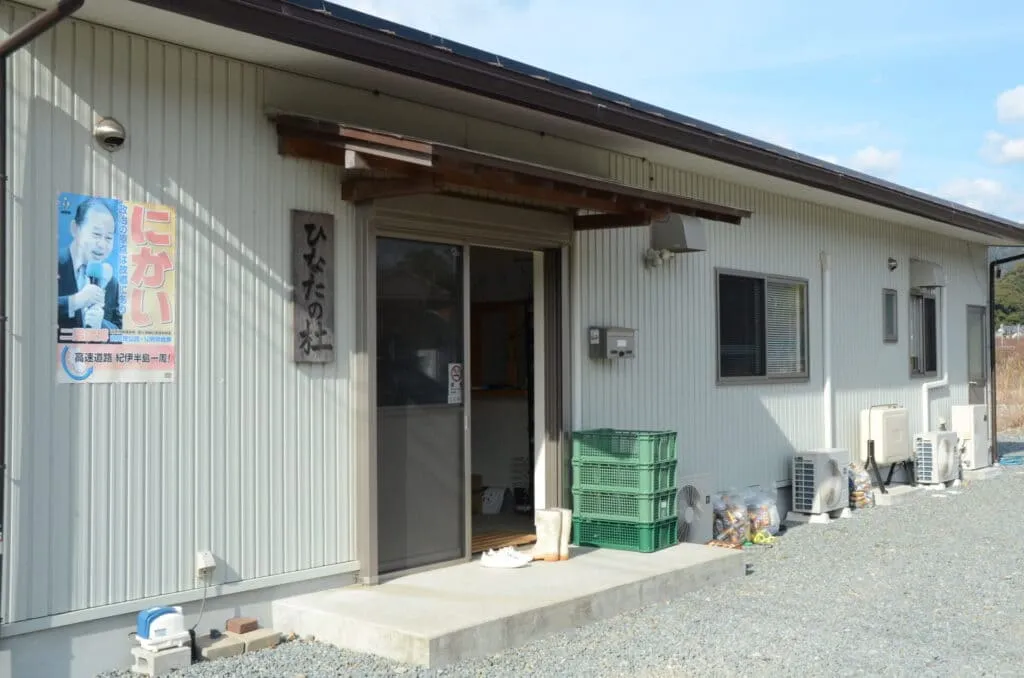
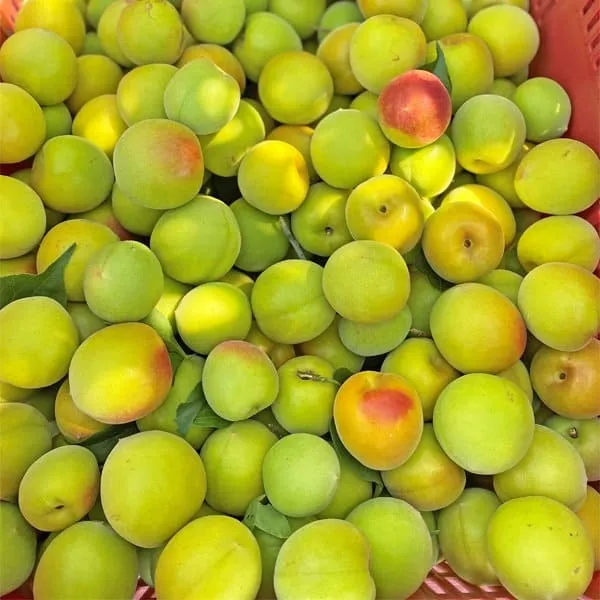
In Kamihaya, plum and orange cultivation is the mainstay industry, but in recent years the area has struggled with growing wildlife damage. Seeking ways to reduce booming animal populations while ensuring no animals are wasted, the community decided to establish a game processing facility and to bring in/train skilled processors. The processing center, “Hinata no Mori,” was built in 2018.
Talking Wildlife Damage with the People Behind Local Game Processing
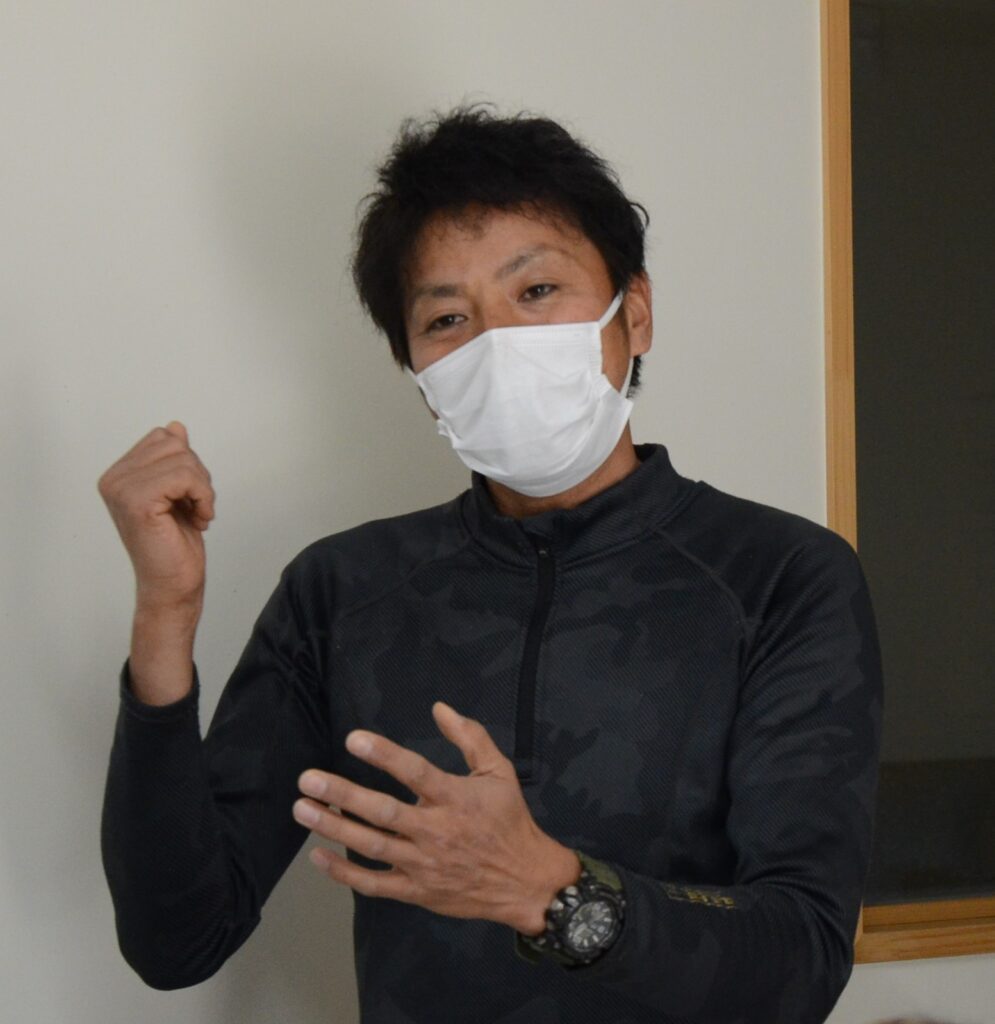
We spoke with Kazunori Okamoto, representative of Hinataya Co., Ltd., and Toshiyuki Yukawa, a licensed game processor, about wildlife damage and community-led solutions.
The toughest part of farming is dealing with wildlife damage
Interviewer: Could you introduce Hinataya and tell us about the wildlife damage you’ve faced?
Okamoto: Alongside my family’s mandarin orchard, I head Hinataya, a company set up to address farming challenges—especially wildlife damage—through business solutions.
Here in Kamihaya, Tanabe City, the mainstay industries are plum and mandarin cultivation, but the most difficult part of farming is protecting crops from wildlife. Deer eat the new shoots of plum trees, stunting their growth. Wild boar go after the mandarins, and when a boar weighing over 100 kilograms leans into a tree, it can snap the trunk. Unless we found a way to deal with this, it would threaten the viability of our farming.
Interviewer: How have you tackled wildlife damage?
Okamoto: I obtained a trapping license, formed a hunting team, and we started setting traps in the mountains. In the first year alone, we caught about 120 boar and deer, but at that time there was no game processing facility, and we hadn’t yet met Mr. Yukawa, a licensed game processor.
So what did we do then? We sometimes had no choice but to dispatch the animals by striking them with a bat. When struck, boar and deer squealed loudly, and the sensation stayed with us. It took a real mental toll on everyone.
With community support
Interviewer: What happened from there?
Okamoto: We asked ourselves how we could reduce the surging animal population while making sure no lives were wasted. The answer was to establish a game processing facility and secure skilled processors. Around that time, I met Mr. Yukawa, who was also looking to set up a processing facility and handle sales as well.
At first, we expected some local opposition, since such a facility receives animals that have been culled. But many residents are involved in agriculture, and they welcomed the plan, saying, “If it protects our farms, we’re for it.”
Interviewer: Have there been any changes in the wildlife-damage situation?
Okamoto: Since Hinata no Mori opened, incidents of wildlife damage in the area have dropped by about 80%. The number of people obtaining trapping licenses has also risen sharply. There’s a growing mindset of leaving processing to the professionals while handling what we can ourselves.
On the craftsmanship behind great game meat
Interviewer: I’ve heard that the game prepared by Mr. Yukawa is exceptional.
Okamoto: When hunters or farmers capture deer or boar in traps, Mr. Yukawa immediately goes to the site and performs the finishing blow. That is one of his defining traits. I believe he’s one of the top three game processors in Japan — his skill is that outstanding.
Yukawa: Most animals are delicious by nature, but meat processed without proper knowledge of bleeding will develop an off-taste. Many people stab the heart, but I cut the carotid arteries in the neck and bleed them while the heart is still beating — the way the blood drains is completely different. I’m also careful when shooting. For example, shooting the shoulder ruins the shoulder loin; a shot through the head can exit into the hindquarters and render the meat unusable. It’s crucial to aim precisely, around the temple area, to avoid damaging valuable cuts.

Interviewer: How much game do you process on a typical day?
Yukawa: In November 2021 alone, we handled about 100 animals. We get calls from all over, so there are times when I go over a month without a day off…
Okamoto: That’s how much everyone relies on Mr. Yukawa!
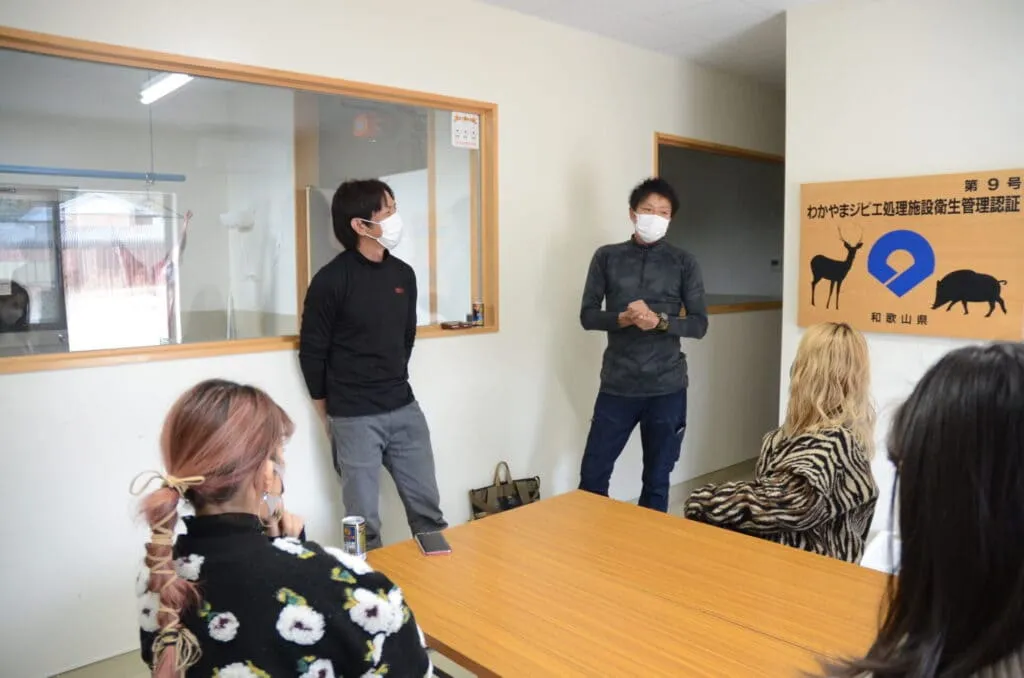
SEN.RETREAT Message to guests.
Interviewer: Lastly, do you have a message for guests of SEN.RETREAT TAKAHARA who are visiting from outside Wakayama Prefecture or Tanabe City?
Okamoto: As a community, our measures against wildlife damage have been very successful. That said, what we value most is not driving deer or boar to extinction. We aim for coexistence and mutual benefit, not indiscriminate capture.
Now that the damage has decreased considerably, we only remove animals that come into areas where people live and farm. It’s humans who say, “They’re a nuisance because they eat our crops,” and it’s humans who helped create these conditions. With an aging population, abandoned fields are increasing, and it’s only natural for deer and boar to move into land that people no longer tend. In that sense, wildlife damage is also our responsibility.
With this in mind, we hope you’ll enjoy the game meat we process. Through game, we hope people will recognize that our lives are sustained by other lives.
Other Articles